
Art as Integration: A Portal to Wellness for Stressed and Overworked Educators
By: Bong Lau
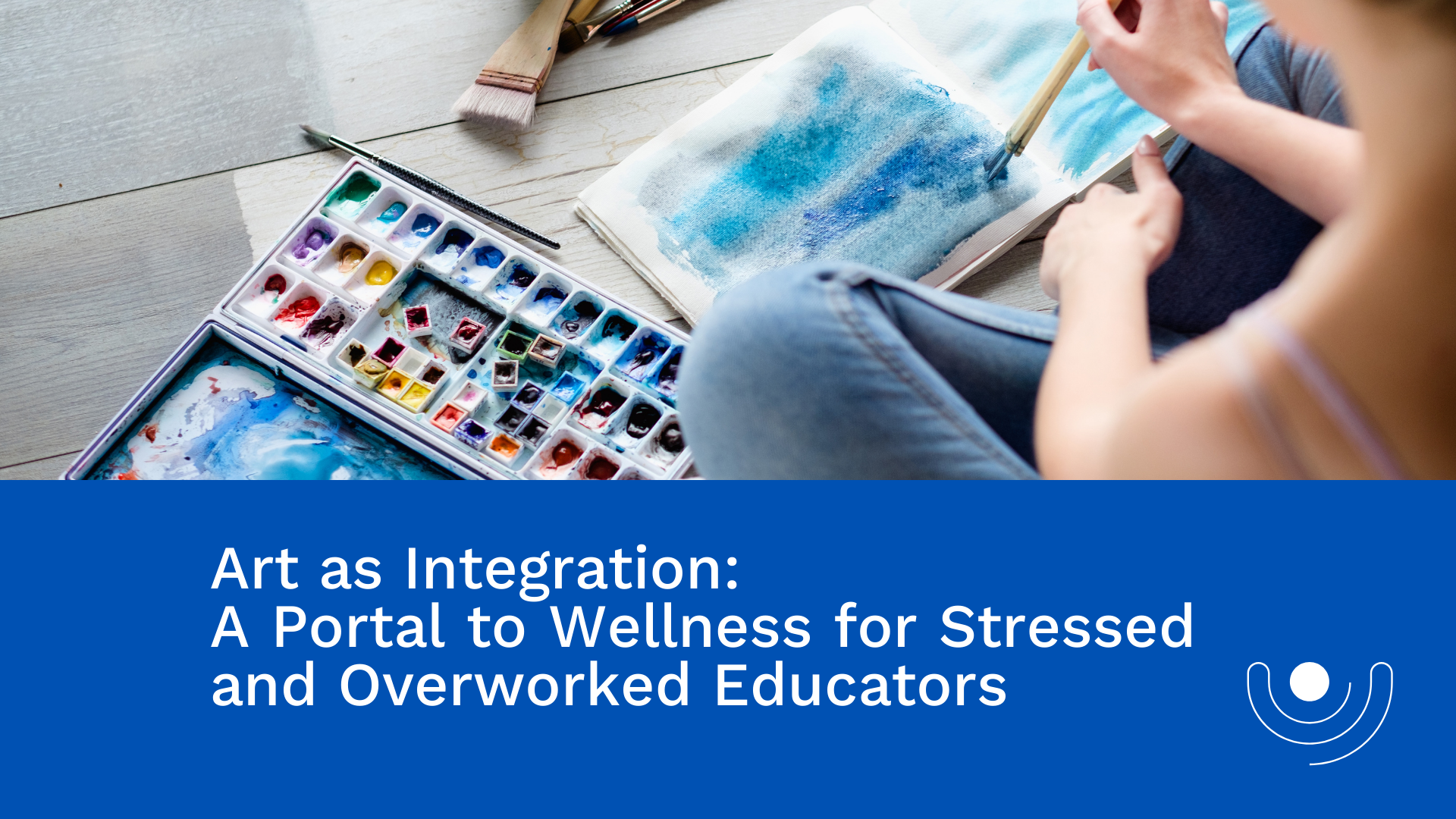
Educators today are carrying heavy loads: managing student needs, family communication, lesson planning, behavioral challenges, data collection, and the emotional labor of growing minds in a complex world. Many are running on empty, expected to be calm anchors day after day while navigating their own stress cues, fighting fatigue, and uncertainty with multiple budget cuts.
With so much to balance, wellness advice often targets time management or verbal/written processing as main strategies for educators: “practice gratitude;” “make time for self-care;” “talk it out.” The Teaching Well hopes to provide more diverse ways of self-reflecting and integration, one that engages a different part of our mind - art.
In one of our experiential offerings - inspired by the work of Kim Krans, author of The Wild Unknown and other decks - we invite educators into a different mode of processing, one that engage the elements of art - pattern, iconography, color, line, shape, and imagery - to create before you explain. Let the image speak before the narrative forms.
This shift is not about becoming an artist. It is about integration and allowing our creativity to make meaning.
The Limits of the “Word” Mind
Much of professional life for educators is language-based: meetings, emails, documentation, conversations, testing, grades, etc. Even emotional processing is often framed as something to be talked through or written out.
But the part of our mind that operates in language is only one channel of knowing. Stress, in particular, often lives beneath words — in the body, in sensation, in unarticulated tension. When educators are overwhelmed, they may not have clean sentences for what they feel. They may simply know they are tired, irritable, or dysregulated.
Expressive art bypasses the demand for coherence.
When an educator is invited to draw without a specific outcome — to choose colors intuitively, to repeat a shape, to sketch a symbol that feels resonant — something begins to surface. A jagged pattern may reveal underlying frustration. A tightly contained shape might mirror a sense of constriction. An expansive wash of color might signal a longing for spaciousness.
The image becomes a mirror to support understanding and to help us through difficult emotions and complex feelings.
Accessing the Visual Brain for Wellness
When we engage with art we activate visual and sensory pathways in the brain that are often underused in professional settings. These pathways support pattern recognition, intuition, and non-linear thinking — all essential components of creative problem-solving and emotional integration — a gift of art and creativity in this modern age.
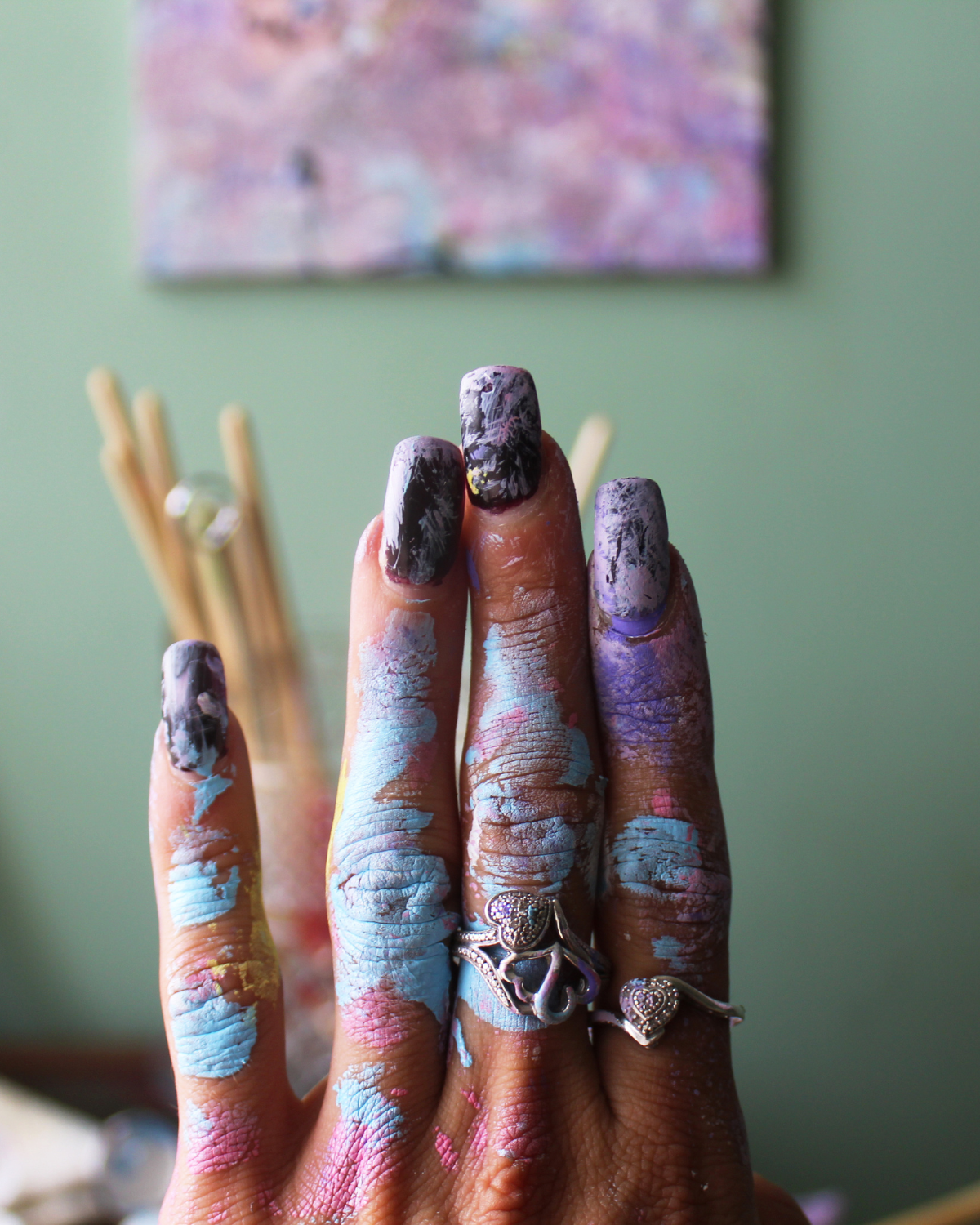
For educators who are constantly operating in reactive mode, this practice can be deeply regulating. Engaging with art can slow the nervous system, interrupt rumination, and create a contained space for expression that does not require immediate analysis. Think about the last time you sat down with a coloring page and started filling in the boxes (or coloring outside the lines!).
Art also allows for complexity. An image can hold contradiction — calm and chaos, hope and fatigue — without needing to resolve it. That capacity to hold multiple truths is deeply restorative for adults in caregiving roles.
In this way, art becomes not an escape from professional life, but an integration of it. It allows educators to process their experience rather than compartmentalize it.
Wellness “Out of the Box”
Traditional wellness often emphasizes self-care that takes a high amount of energy and structure: exercise routines, prompted journaling, mindset reframing through reflective activities. While valuable, these approaches can unintentionally feel like another task on the list.
Expressive arts invite something different — a form of wellness that is exploratory, fun, and expansive.
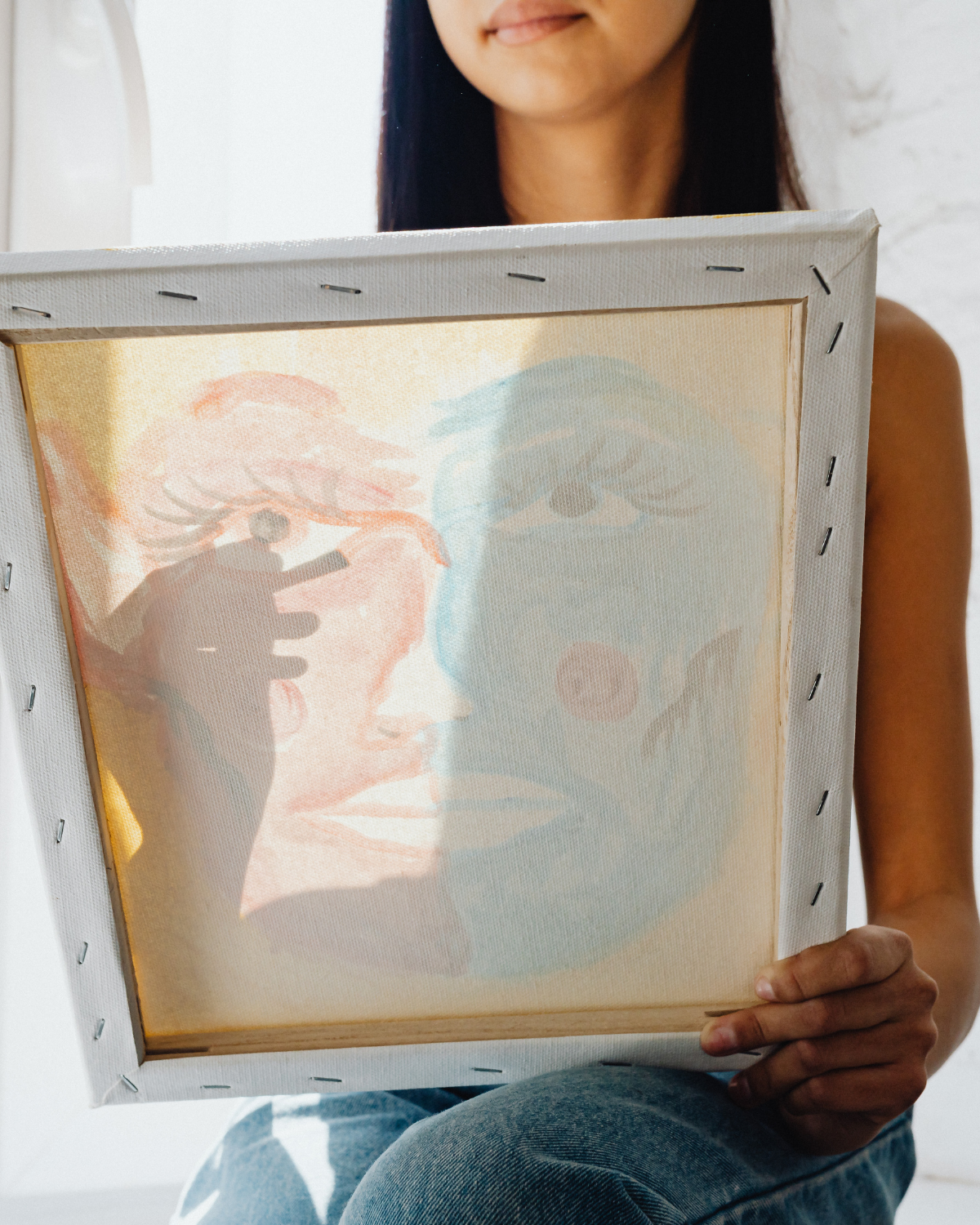
When educators are given permission to think visually, to create without rubric or evaluation, they are reminded of their own humanity. They move from “How am I performing?” to “What is present? Where does my creativity move me?”
This is wellness out of the box, not fixing burnout in a single session. Art offers a portal — a practice that helps educators reconnect to themselves in a way that feels spacious and creative rather than prescriptive. And when educators experience this kind of integration, it ripples outward. Regulated adults create regulated spaces. Reflective adults model reflection. Creative adults nurture creativity.
Educators are often asked to integrate curriculum, standards, and student needs. Rarely are they invited to integrate themselves. Art offers that opportunity. Below are several examples of how art can serve as a tool for integration and wellness.
Examples of Expressive Arts for Educator Integration
1. Engage with a Coloring Page
Color a pre-designed image — removing the pressure of having to create from scratch. With the structure already in place, attention can shift fully to color choice, shading, and sensation. You are encouraged to notice your pace: Are you rushing or lingering? Choosing bold colors or muted tones? Staying inside the lines or drifting beyond them? This gentle, accessible practice allows the nervous system to settle while offering subtle insight into control, freedom, fatigue, and play. Sometimes, integration begins not with invention, but with simply filling in what is already there.
2. Blank Page Filling
Begin with an entirely blank page — no prompt, no structure, no expectation. The only invitation is to make a mark and keep going. Lines, shapes, color, scribbles, symbols — anything that wants to emerge is welcome. At first, the emptiness can feel uncomfortable, even confronting. But as the page begins to fill, you often notice a shift from hesitation to flow. This practice gently mirrors the experience of stepping into uncertainty in professional life: we do not always know the outcome, but we can begin. Reflection afterward might explore questions such as: What was it like to start? Where did you feel freedom or resistance? Blank page filling builds tolerance for ambiguity while reconnecting educators to spontaneity, agency, and creative trust.
3. Lines of Release
Draw continuous lines across a page, experimenting with pressure, direction, and temperature — light, heavy, jagged, smooth, looping. This simple exercise can release physical tension while offering awareness of how stress manifests in the body.
4. Identifying Body Cues on a Body Model
Use a simple body outline (self-drawn or printed) and visually map where you notice sensations connected to stress, fatigue, or ease. Through color, symbols, shading, or line quality, mark areas of tightness, heaviness, warmth, or openness. This practice shifts reflection out of analysis and into embodied awareness. Instead of explaining how you are doing, you notice how you are holding that experience. A darkened chest, tense shoulders, or steady feet can reveal patterns the thinking mind has normalized. With gentle prompts such as “Where feels supported?” or “Where needs attention?”, you begin reconnecting to their nervous system. Integration starts with awareness — and the body often speaks before words do.