
From Burnout to Balance: Easing into Summer with the 7 Types of Rest
By: Natalya Wade

Teaching asks so much of the mind, body, and spirit. By the time summer arrives, many educators are not simply “ready for vacation” – they are carrying months of emotional labor, overstimulation, decision fatigue, and deep care for others. Summer break can become more than recovery time; it can be an opportunity to reconnect with yourself gently and intentionally.
The 7 Types of Rest framework, developed by physician and researcher Saundra Dalton-Smith, can offer a helpful reminder that exhaustion is not only physical. Sometimes what we need most is emotional quiet, sensory softness, or space to create again. Here are a few ways teachers can ease into summer break through each type of rest.
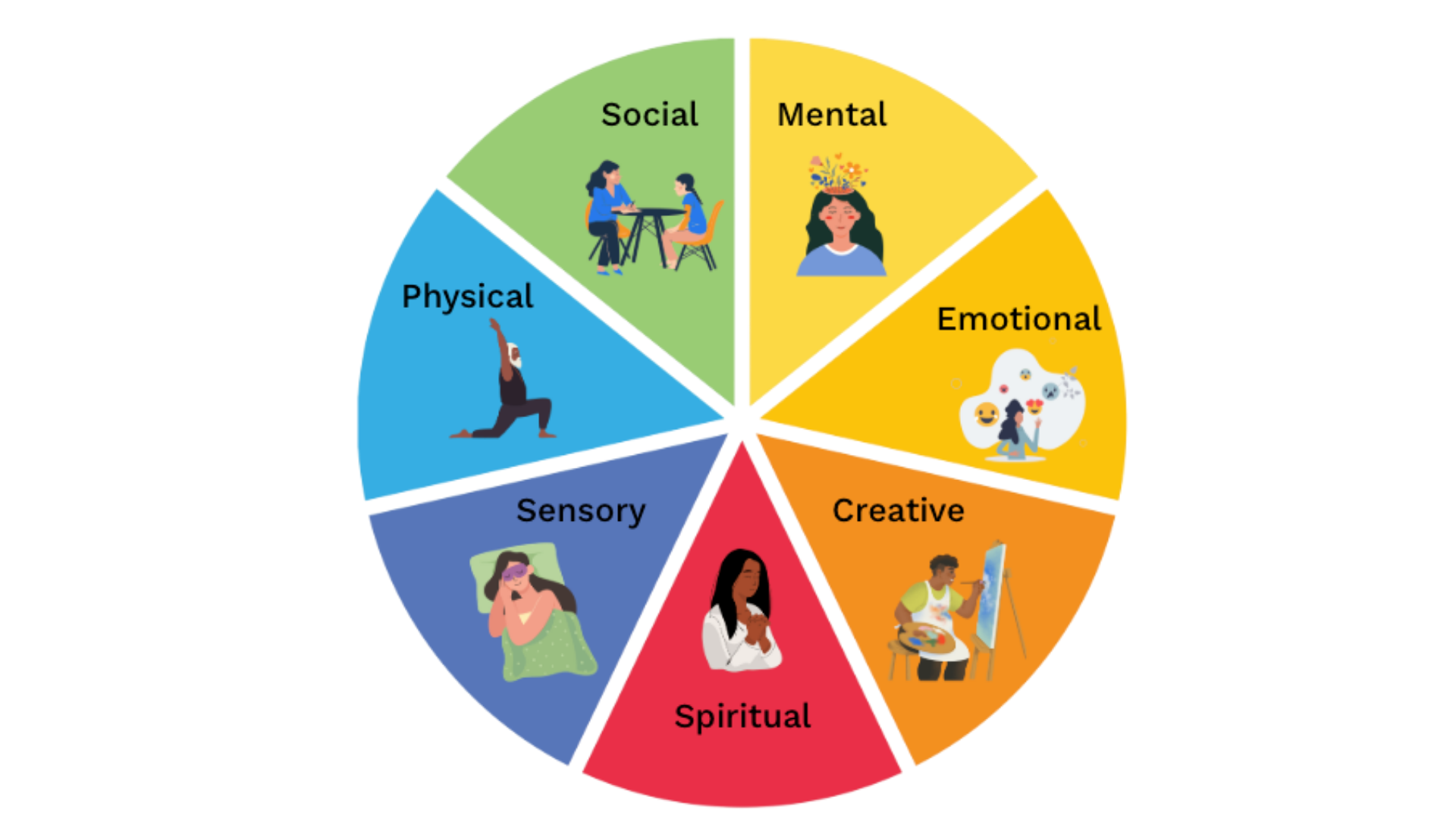
1. Physical Rest
Many teachers end the year physically depleted from standing, commuting, carrying materials, and moving constantly. Physical rest includes both passive rest (sleep, naps, stillness) and active rest (stretching, yoga, slow walks). Instead of rushing into a packed summer schedule, allow your body a transition period so your nervous system realizes it no longer needs to stay “on” every moment.
2. Mental Rest
Teachers make hundreds of decisions daily. Summer is a chance to reduce cognitive overload. Try resisting the urge to plan, organize, or optimize every part of your break. Invite moments of mental spaciousness by journaling, taking social media pauses, or leaving parts of your day unscheduled.
3. Sensory Rest
Schools are sensory-heavy environments: bells ringing, fluorescent lighting, crowded hallways, constant conversations, and screens. Sensory rest might look like spending time in a quiet space, dimming lights at home, limiting notifications, or taking tech-free walks.
4. Emotional Rest
Educators are often expected to remain calm, supportive, patient, and emotionally available no matter what they might be carrying personally. Emotional rest means creating space where you do not have to perform wellness or positivity. Practice saying “I’m tired” without minimizing it.
5. Social Rest
Not all connections are equally nourishing. Summer can be an opportunity to step back from draining dynamics and reconnect with relationships that feel grounding and reciprocal.
6. Creative Rest
Teachers pour creativity outward all year long. Replenishing creative energy often begins with receiving inspiration instead of producing it. Visit a museum, listen to music, cook something new, garden, read, or simply watch the sunset.
7. Spiritual Rest
Spiritual rest is about reconnecting with meaning, purpose, and belonging. For some, this may involve prayer, meditation, faith communities, or time in nature. For others, it may mean reflecting on who you are outside of productivity and caregiving.
Teachers deserve more than survival between school years. Rest is not something to earn after burnout; it is part of sustaining a meaningful life and career. This summer, consider easing in slowly. Your nervous system, body, and spirit may need that more than ever right now.
Which rest you’re feeling called to center?
Invitation: Choose one type of rest that feels most needed right now and give yourself permission to start there. Small daily practices of rest and reflection can create meaningful shifts over time.
Share this post with an educator who may need this reminder:
Rest is not a reward for finishing the year – it is part of how we sustain ourselves, our relationships, and the communities we serve!