
Wealth Para Todos’ Top Financial Tips for Educators

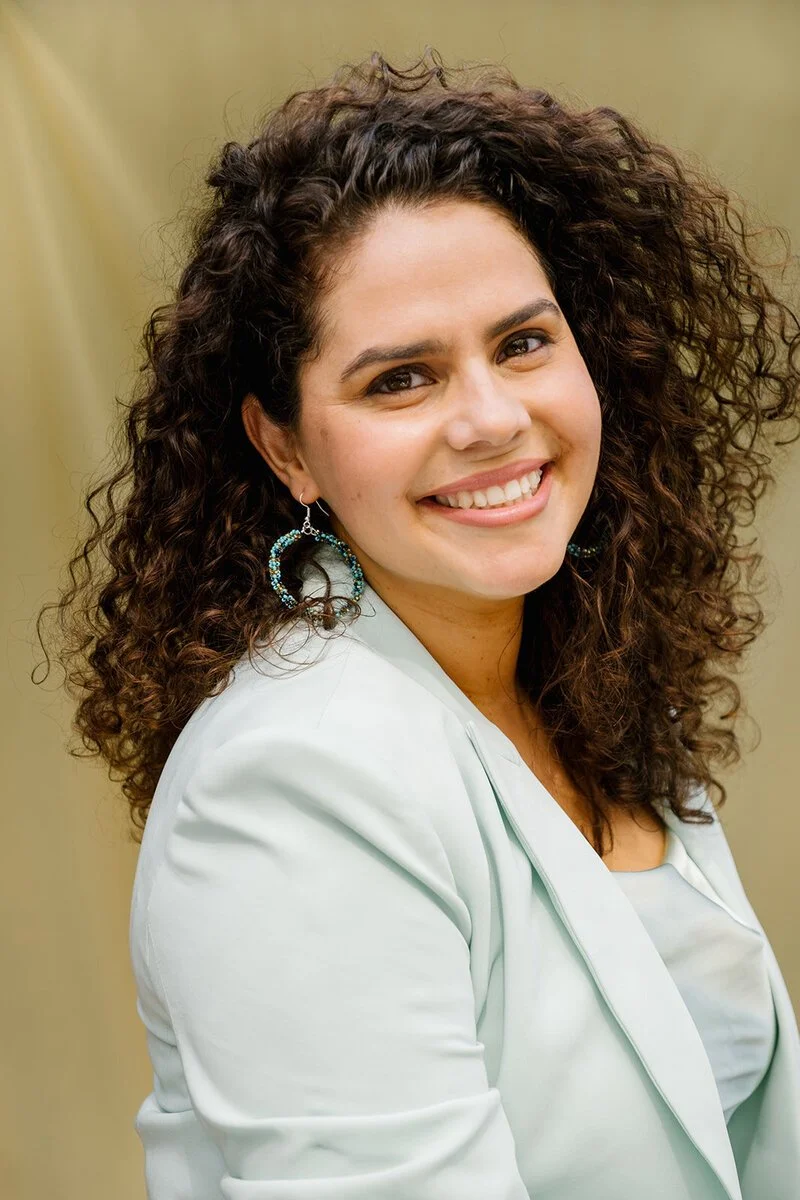
It’s tax day, summer break is on the horizon, and the end of school year festivities are ramping up, so you may be thinking more about your finances. Let’s be real: if you're an educator, you may be stressing more about your finances. So we sat down with Rita-Soledad Fernandez Paulino of Wealth Para Todos to ask for their financial advice on behalf of educators. They are quite literally a wealth of information on the topic (yes, pun intended), so be sure to check out their podcast, website, or instagram.
As a former classroom teacher, Soledad knows the reality of day-to-day work at a school. As a Latinx, first-generation, queer, wealth builder, they also know the intense desire educators of color have to help students that look like them or are from similar backgrounds. But this can be a clear path to burnout, both emotional and financial.
So how do you show up for the students you serve while also building financial stability for yourself?
We are confident that with their financial guidance, it’s possible to be a teacher and build your wealth at the same time. We’ve organized Soledad’s top five financial tips for educators based on those that will require an investment of time upfront and those you can do throughout your career.
Initial Upfront Investment & Set-up:
Plan for Retirement Beyond Your Pension
One of the great things about being a public school teacher is knowing you will have a pension when you retire. But the truth is that even the best pensions aren’t a guarantee that you will have enough money to cover your living expenses. It’s wise to plan to supplement your pension. Doing so gives you financial flexibility. If you invest in a 403b, a Roth IRA, or a taxable brokerage account and build wealth alongside your pension, you have more options as you build your career. Maybe after ten years, you want to take a teaching hiatus, or maybe twenty years in, you decide to go for a second career. Having a retirement plan beyond your pension makes these things possible! No matter what, it’s always best to start these investments at the beginning of your teaching career because of the power of compounding interest. Invest a little consistently over time and you are setting Future You up for success.
Utilize Teacher Loan Forgiveness Programs
In a recent podcast, Soledad tells you about four different programs to help repay student loans. They walk you through figuring out which ones you qualify for, and encourages you to be strategic with your loans so you can take full advantage of the programs and get that money!
Ongoing Tips for Your Entire Career:
Leverage All Available Educator Benefits
Similar to taking advantage of loan forgiveness programs, Soledad recommends getting comfortable with always asking for the teacher discount. You’d be surprised how many places and organizations are more than happy to kick back money to educators. Soledad reminds us, “when society doesn’t honor the work through financial compensation, you can bet that community members will do their part to try to fill that gap.” Be shameless about it. Get used to saying, “Do you offer a teacher discount?” Teaching Well colleagues report having received discounts or freebies on everything from sushi to cell service to clothing. You can also get a discount on your car insurance. Another colleague talked about the discount she and her husband (also a teacher) got on their wedding venue. You just never know, so it’s worth the ask!
Understand your dependent benefits. Find out if your employer has any fringe benefits you haven’t tapped into. If you are eligible for a Flexible Spending Account (FSA) through your employer, take advantage. This can help you cover the cost of childcare or health expenses with tax-free money.
Monetize Your Time & Skills
We know teachers do a lot of unpaid labor. While it might not be possible to do the job effectively if you have a strict policy around not working if it’s not paid, Soledad suggests that educators be mindful of where they work without pay. Is it a choice you made? Have you asked to see if there might be an extended contract to pay you for those hours?
As you build your educator career, look for ways to specialize. When you do this, people will come to you as a model and for consultations, which you can charge hourly for! Remember, the more experience you have, the more you can charge.
Manage Classroom Cash Flow
Be mindful of your cash flow. If you are spending money in your classroom, keep receipts. It’s not much, but you can get a deduction on your taxes every year as a teacher. Be mindful of what your school provides. Ask for reimbursements and stay organized with your paperwork to make this easy to do. You can also seek donations from Donors Choose, a local church, and the broader community. As Soledad so aptly put it, “If there is money for war. There is money for your pencils.”
In addition to all of these incredible tips, don’t forget to invest in yourself. There will be seasons in your life where you can engage in free forms of self-care because you are functioning at high capacity. But there will also be other seasons where you need to pay for more support. Make sure you have proactive self-care items as line items in your budget. How are you already using money as a tool to nurture your joy, pleasure, and capacity?
If you are here at the end of these tips thinking, “What’s a line item?” or “How do I get an FSA?” Or you just feel like you don’t know where to start, Soledad is just a podcast and click away.
Invest in yourself. Your money is a tool for supporting YOU!